
VA Home Loans Kingwood TX: Eligibility, Benefits, and How to Apply
Key Takeaways
A VA-backed mortgage can make buying a home more accessible, but eligibility and final loan terms depend on your circumstances and your lender. Understanding the process, costs, and property requirements helps you ask better questions from the start.
- A VA home loan is made by a private lender and backed in part by the Department of Veterans Affairs.
- You generally need a Certificate of Eligibility, and lenders also review your finances and credit.
- VA loans may allow eligible borrowers to buy without a down payment and do not require monthly private mortgage insurance.
- The funding fee, closing costs, appraisal, and homeownership expenses still belong in your budget.
- Preapproval and careful offer planning can help you move through the process with fewer surprises.
How VA home loans work
A VA home loan is a mortgage option for eligible service members, veterans, and some surviving spouses. The Department of Veterans Affairs backs part of the loan, while a private lender provides the financing and decides whether to approve your application. That arrangement can offer meaningful benefits, but it does not remove the usual work of choosing a home, documenting your finances, and comparing loan terms. If you are exploring VA Home Loans Kingwood TX, start by learning what the VA does and does not do.
The VA guarantee and the lender’s role
The VA guarantee protects the lender against a portion of a loss if a borrower defaults; it is not a guarantee that your application will be approved or that you will never owe money. You apply through a participating lender, which reviews your income, credit, debts, assets, and the property. The VA establishes program rules and may guarantee part of the loan, but your lender makes the credit decision and explains the terms it can offer. Think of the guarantee as support for the lender, not a substitute for your own repayment obligations.
How VA loans differ from conventional mortgages
One of the clearest differences is that eligible borrowers may be able to purchase with no down payment, subject to entitlement, lender approval, and the home’s value and price. VA loans also do not require monthly private mortgage insurance, which conventional borrowers may pay when putting down less than 20 percent. Those features can make a VA loan attractive, though the interest rate, lender fees, funding fee, and other costs still affect the total expense. You can compare the basics with the range of VA loan options described for Texas borrowers.
Who may use a VA loan benefit
The benefit is generally available to eligible veterans, active-duty service members, certain National Guard and Reserve members, and some surviving spouses. Specific service and discharge requirements apply, and the VA reviews your record when determining eligibility. A person’s status alone does not settle every detail, so it is worth requesting a Certificate of Eligibility rather than relying on a rough assumption. A lender can help you identify the next step, but the VA’s eligibility determination is what confirms access to the benefit.
What the VA does not guarantee
The VA does not guarantee that a home is free of defects, that its market value will rise, or that a lender will offer a particular rate. The VA appraisal assesses value and whether the property meets minimum property requirements; it is not a detailed home inspection. You remain responsible for making payments and for the ordinary costs of ownership. Keeping those boundaries in mind makes it easier to weigh the benefit realistically instead of treating it as a blanket promise.
Eligibility and required documents
Eligibility has two parts: you must qualify for the VA benefit, and you must meet the lender’s requirements for the mortgage itself. A Certificate of Eligibility confirms your entitlement, but it does not replace underwriting or guarantee approval. Gathering documents early can make the conversation more useful and help reveal missing information before you are under contract. The details vary by borrower, so ask your lender which records it needs for your situation.

Obtaining a Certificate of Eligibility
A Certificate of Eligibility, often shortened to COE, shows a lender that you meet the VA’s basic service requirements and indicates information about your entitlement. You may be able to request it through the VA, or a lender may help obtain it using the information you provide. If you have used a VA loan before, the COE can also help clarify whether entitlement remains available or has been restored. Ask about this early; it is much easier to address a record question before you are racing toward a closing date.
Service requirements for veterans, service members, and surviving spouses
The length and type of service needed depend on when and how you served, and certain discharge circumstances can affect eligibility. Some surviving spouses may qualify under VA rules, but the applicable conditions depend on the individual circumstances. Because requirements can differ across service eras and categories, avoid using a general online summary as a final determination. If anything in your record is unclear, ask the VA or your lender what documentation will settle the question.
Credit, income, and debt considerations set by lenders
The VA does not set a single minimum credit score for every borrower, and lenders may have their own standards. They will review your income, recurring obligations, credit history, and available funds to judge whether the proposed payment fits your finances. VA underwriting also considers residual income—the money left after major monthly obligations—which can provide context beyond a debt-to-income ratio alone. No single number tells the whole story, so ask the lender how it evaluates your full application rather than focusing only on a score.
Documents to prepare before applying
A tidy document folder can shorten follow-up and help you respond promptly when the lender asks for clarification. Requirements vary, but these records commonly make a first conversation more productive:
- Government-issued identification and your Social Security number.
- Your Certificate of Eligibility, if you already have one, along with relevant service records if requested.
- Recent pay statements, W-2 forms, tax returns, or other income documentation that applies to your work situation.
- Recent bank statements and information about existing debts, assets, or other real estate.
Use the lender’s checklist as the definitive guide, since self-employment, variable income, prior VA use, or a change in employment can mean additional records are needed. Keeping copies organized also makes it easier to answer questions without sending incomplete or outdated paperwork.
VA loan benefits and potential costs
A VA loan can reduce some of the upfront and monthly costs associated with buying a home, but it is not a cost-free mortgage. Your total expense depends on the loan amount, interest rate, lender charges, funding fee, taxes, insurance, and any negotiated seller contribution. Comparing the full set of figures is more useful than focusing on a single advertised rate or the down payment alone. Before choosing an offer, make sure you can explain what you will pay at closing and over time.
Down payment and private mortgage insurance
Eligible borrowers may be able to finance the full purchase price without a down payment when they have sufficient entitlement and the transaction meets program and lender requirements. A down payment may still be necessary if the purchase price exceeds the appraised value, if entitlement is limited, or if the lender’s review calls for a different structure. VA loans do not require monthly private mortgage insurance, even when you make a small down payment. That can lower the monthly payment compared with some low-down-payment alternatives, but it does not eliminate taxes, homeowners insurance, or other housing costs.
The VA funding fee and possible exemptions
Many VA borrowers pay a one-time funding fee, which helps support the program. The amount depends on factors such as the type of loan, down payment, and whether you have used the benefit before; it may be paid at closing or financed into the loan when allowed. Some borrowers, including certain veterans receiving qualifying disability compensation, may be exempt. Confirm your status and the fee shown on your Loan Estimate with the lender rather than assuming it will apply—or that it will not.
Closing costs and seller concessions
A zero-down purchase can still require cash for closing costs, prepaid expenses, inspections, or other items that are not covered by the loan. VA rules limit which charges a veteran may pay and allow seller concessions within program limits, but the exact amount and terms are negotiated as part of the transaction. Ask the lender to distinguish lender fees from taxes, insurance, and other third-party charges. A seller contribution can help in some transactions, but it should be negotiated in the offer rather than treated as guaranteed money.
Comparing interest rates, lender fees, and loan estimates
When you compare offers, place the rate beside the fees, estimated payment, cash needed at closing, and any assumptions about points or credits. A lower rate may come with higher upfront charges, while a lender credit may reduce closing cash but increase the rate. A simple side-by-side review helps make those trade-offs visible:
| Loan feature | What to check | Why it matters |
|---|---|---|
| Interest rate | Whether it is fixed or adjustable and whether points are included | It affects scheduled principal and interest payments |
| Lender charges | Origination, underwriting, and any discount points | Fees change the cash required and the cost of the offer |
| Estimated cash to close | Down payment, closing costs, prepaid items, and credits | It helps you plan the funds needed before signing |
| Monthly housing estimate | Principal, interest, taxes, insurance, and association dues | The full monthly obligation is larger than principal and interest alone |
Read each Loan Estimate carefully and ask lenders to explain differences using the same loan amount, down payment, and rate-lock assumptions. That gives you a fairer comparison and helps keep a headline rate from distracting you from the overall cost.
Choosing a VA loan and property
The right approach depends on whether you are buying, refinancing, or using existing home equity, as well as on how long you expect to keep the loan. You also need to plan around the VA’s occupancy and property requirements. In Kingwood, the home’s price, condition, taxes, and insurance all shape affordability, not just the amount you borrow. Think through the loan structure and the home together before deciding that a particular price is comfortable.
Purchase loans, cash-out refinancing, and other options
A VA purchase loan can help an eligible borrower finance a home to occupy as a primary residence. Eligible homeowners may also consider a VA cash-out refinance, which can replace an existing mortgage and may allow access to equity, subject to qualification and program rules. A VA Interest Rate Reduction Refinance Loan is another option for some borrowers with an existing VA-backed loan, though its rules and suitability differ from a purchase loan. Kingwood Mortgage Guys provides guidance on VA purchase and refinance options, and you can ask how each path fits your intended use of the home. Don’t choose a refinance only because cash is available; compare its fees, new payment, and long-term cost with your goals.
Primary-residence requirements
VA purchase loans generally require that you intend to occupy the home as your primary residence, subject to program rules and certain exceptions. This typically means the loan is not designed for buying a property solely as a vacation home or rental investment. If you are moving, serving away from home, or purchasing with another eligible borrower, ask the lender how occupancy rules apply to your circumstances. Be clear about your intended use from the beginning, since it affects whether the loan structure is appropriate.
Property standards and the VA appraisal
The VA appraisal estimates value and checks whether the home meets minimum property requirements related to safety, soundness, and sanitation. If the appraiser identifies a condition that must be addressed, the lender may require repairs or further review before closing. An appraisal is not a substitute for a private home inspection, which can examine the property in more detail and help you understand maintenance needs. Consider both steps when deciding whether the home’s condition and likely repair costs fit your budget.
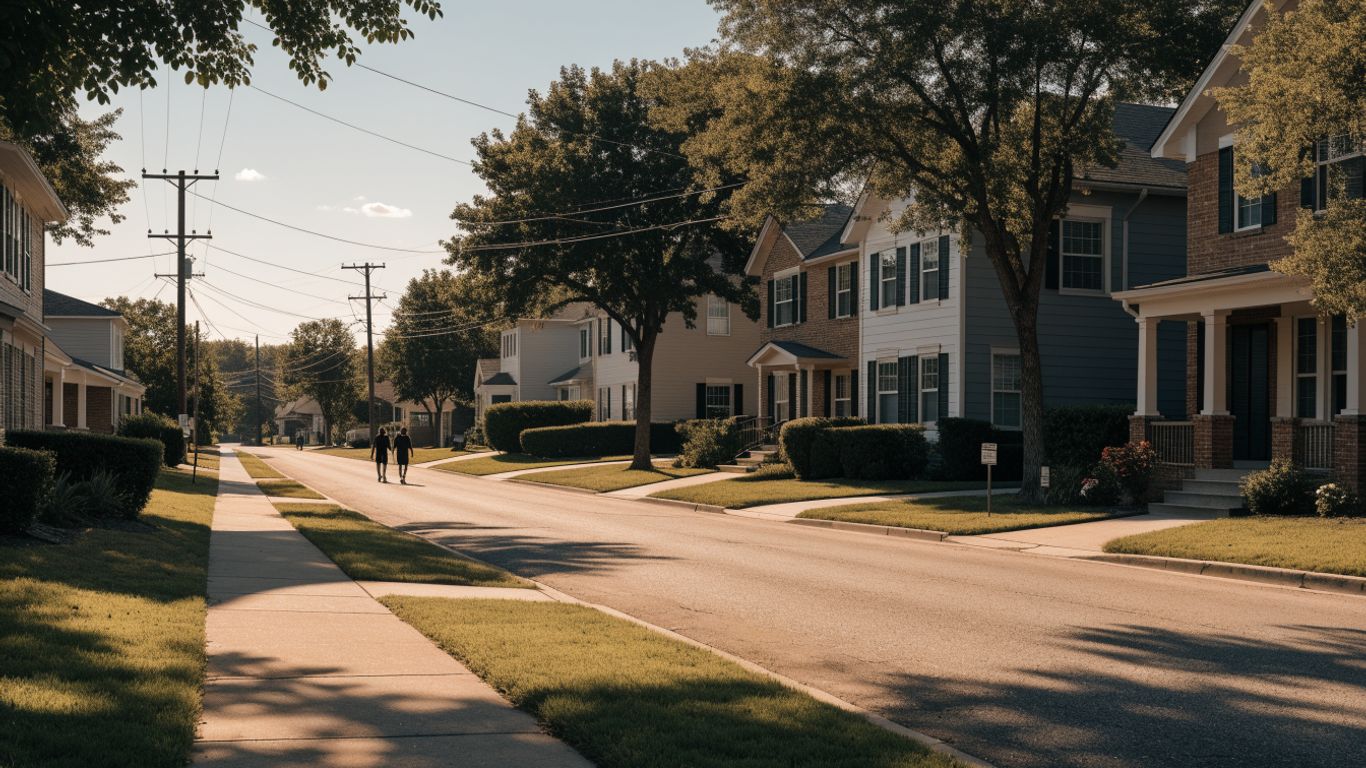
How Kingwood home prices may affect your budget
Prices vary by home size, location, condition, and market activity, so a general neighborhood figure cannot tell you what a specific property will cost. Build your range around the full monthly payment, including taxes, homeowners insurance, possible HOA dues, and expected maintenance—not just the maximum amount a lender might approve. In some transactions, a gap between the purchase price and appraisal may require a new negotiation or additional funds. For a local conversation about your budget and priorities, Kingwood Mortgage Guys can help you consider the VA option alongside the home purchase plan.
The application and closing process
The process usually moves from an initial conversation and preapproval through an offer, appraisal, underwriting, and closing. Timing varies with the lender, the property, and how quickly documents or conditions are resolved. It helps to know what is coming next, but you should also expect questions to arise as the lender verifies information. If you want a broader view of the stages, review this mortgage process overview as you prepare for your own application.
Getting preapproved and setting a price range
Preapproval gives you an initial estimate of what a lender may be willing to finance after reviewing your application, though it is not a final approval. Share accurate income, debt, and asset information, and tell the lender about any expected changes such as a job move or new credit account. Use the estimated payment—not only the maximum approved amount—to set a comfortable search range. A careful preapproval conversation can help you spot cash-to-close needs and other costs before you make an offer.
Making an offer and completing the appraisal
Once you find a home, your offer should reflect the financing, inspection, and timing considerations relevant to the purchase. After the seller accepts, the lender orders a VA appraisal to review value and minimum property requirements. If the appraised value comes in below the contract price or repairs are noted, you may need to discuss a price change, additional funds, or another response with your real estate and lending professionals. Keep the appraisal and inspection separate in your mind: each answers a different question about the property.
Responding to underwriting conditions
An underwriter may approve a loan with conditions, request more documentation, or determine that the application cannot be approved as submitted. Common requests include updated pay information, clarification about a deposit, or additional property or title records. Respond promptly and send complete documents through the lender’s preferred secure channel. If a request is unclear, ask what it is meant to verify and whether there is a deadline; a short conversation can prevent avoidable back-and-forth.
Reviewing final documents before closing
Before signing, compare the final figures and loan terms with the disclosures you received earlier. Check the rate, loan amount, payment, closing costs, credits, and cash required, and ask for a plain-language explanation of anything that does not match your understanding. Make sure you know how and when to deliver closing funds, and confirm instructions directly with a trusted contact to reduce the risk of wire fraud. You are entitled to ask questions and take time to understand the documents before signing.
Finding a VA lender in Kingwood
A lender should be able to explain VA-specific rules in clear language and show you the full cost of the loan. You can compare more than a quoted rate: responsiveness, experience with the program, and the way questions are handled all matter during a time-sensitive purchase. Kingwood Mortgage Guys offers guidance on VA loan choices for Texas borrowers, but you should still ask direct questions and review written estimates. The goal is a clear, well-supported decision that fits your finances and plans.
Questions to ask about VA loan experience
Ask how often the loan team handles VA purchase or refinance applications and who will be your main contact from application to closing. Find out how the lender handles COE questions, appraisals, repair conditions, and the funding fee, and ask what documents it expects from you. It can also help to ask how the team explains cash-to-close estimates and what might change them. If you are exploring other forms of assistance as well, check the requirements for profession-based assistance to see whether a separate program could be relevant to your household.
Comparing offers from multiple lenders
Request written estimates from more than one lender and make sure each one uses comparable assumptions. Look beyond the interest rate to compare fees, credits, estimated taxes and insurance, and the amount you would need at closing. A quick comparison is most useful when the loan amount, lock period, and points are aligned; otherwise, the numbers may not be measuring the same thing. Take notes on what each estimate includes so you can follow up on any difference that matters.
Checking lender credentials and communication practices
Confirm the loan originator’s licensing and ask who will be available when the transaction reaches appraisal or underwriting. Notice whether explanations are specific, whether questions receive timely answers, and whether you are given written information to review. You should feel comfortable asking for clarification without pressure to make an immediate decision. If you are uncertain about a term, ask for it in plain language and request an updated estimate when the figures change.
Planning for taxes, insurance, and ongoing homeownership costs
Your mortgage payment is only one part of the cost of owning a home. In addition to principal and interest, plan for property taxes, homeowners insurance, any HOA dues, utilities, routine upkeep, and repairs. These expenses can change over time, and an escrow estimate may not capture every cost you will face as an owner. Leave room in your monthly budget for the less predictable items, so a payment that looks manageable on paper remains workable in everyday life.
Conclusion
A VA loan can be a valuable path to homeownership when you qualify and the payment fits your broader budget. Start with your eligibility and a clear estimate of the full cost, then compare lenders, review the property carefully, and ask questions whenever a term or condition is unclear. With the right preparation, you can approach a Kingwood purchase with a better sense of what the benefit offers—and what remains your responsibility.
Frequently Asked Questions
Can I get a VA home loan with no down payment?
Many eligible borrowers can buy with no down payment when entitlement, lender approval, and the transaction meet applicable requirements. A down payment or additional funds may still be needed in some situations, including when the price is above the appraised value.
Does a VA loan require private mortgage insurance?
VA loans do not require monthly private mortgage insurance. You may still have a funding fee, closing costs, property taxes, homeowners insurance, and other expenses.
How do I find out whether I’m eligible for a VA loan?
Request a Certificate of Eligibility through the VA or ask a lender whether it can help obtain one. The COE confirms basic benefit eligibility, while the lender separately reviews whether you qualify for the mortgage.
Does a VA appraisal replace a home inspection?
No. The appraisal reviews value and minimum property requirements, while a home inspection offers a more detailed assessment of the property’s condition. A buyer may find both useful for different reasons.
Can I use a VA loan to buy a rental property?
A VA purchase loan generally requires you to occupy the home as your primary residence, so it is not intended for a property purchased solely as a rental or vacation home. Ask a lender about rules that may apply to your specific situation.
What is the VA funding fee?
It is a one-time fee that many borrowers pay to support the VA loan program. The amount depends on factors such as loan type, down payment, and prior use of the benefit, and some borrowers may be exempt.
What costs should I budget for beyond the mortgage payment?
Plan for property taxes, homeowners insurance, HOA dues if applicable, utilities, routine maintenance, and unexpected repairs. Your lender can estimate some costs, but you should also consider the property’s condition and your own savings plan.