
Reverse mortgage Houston: A practical guide to eligibility, costs, and your options
Key Takeaways
A reverse mortgage can turn part of your home equity into funds while you continue living in the home, but it also creates long-term obligations and costs. Use this guide to frame the right questions before you apply.
- You generally keep ownership of the home, but the loan balance grows over time.
- HECM eligibility depends on age, occupancy, property type, and financial responsibilities.
- Taxes, insurance, maintenance, and primary-residence rules continue after closing.
- Independent HUD-approved counseling is required for a HECM application.
- Compare the loan with a HELOC, home equity loan, refinancing, downsizing, or waiting.
How a reverse mortgage works in Houston
A reverse mortgage Houston homeowner considers is still a mortgage secured by the home, but the cash-flow direction is different from a traditional loan. Instead of making required monthly principal-and-interest payments, you draw on available equity. The decision affects your future equity, your heirs, and the resources you may have for taxes, care, or a move.
How home equity becomes loan proceeds
Your available proceeds are influenced by your age, the home’s value, the interest rate, the loan type, and the amount needed to pay existing liens. The loan does not generally give you every dollar of equity. Part of the value supports the loan’s costs, future interest, and the lender’s risk.
If you already have a mortgage, the reverse mortgage proceeds typically pay it off at closing. Any remaining amount may then be available according to the disbursement plan you select and the applicable program rules. A careful estimate should show both the money available now and the equity that may remain later.
How a reverse mortgage differs from a traditional mortgage
With a traditional mortgage, you receive funds upfront and repay the balance through scheduled monthly payments. With a reverse mortgage, you may receive funds from your home equity without a required monthly principal-and-interest payment, provided you meet the loan’s ongoing obligations.
That does not make the borrowing free. You remain responsible for property taxes, homeowners insurance, maintenance, and other required charges. You also continue to own the home and must follow the terms governing occupancy and the condition of the property.
Why the loan balance grows over time
Interest and certain charges are added to what you owe rather than paid separately each month. As a result, the balance can rise even when you have not taken another draw. The longer the loan remains outstanding, the more time there is for interest to accumulate and compound.
You can use a balance-growth calculator as an educational illustration, but calculator results are not a personalized estimate. Ask for a written projection showing the starting balance, expected draws, interest assumptions, fees, and possible future balances.
What non-recourse protection means for borrowers and heirs
Non-recourse protection generally means you or your heirs will not owe more than the home is worth when the loan becomes due and the property is sold, even if the balance has grown beyond the home’s value. The protection applies within the rules of the particular program and loan documents.
You keep title and ownership while the loan is active. If the borrower dies, sells the home, or permanently moves away, heirs usually have choices under the loan terms, including selling the property and using the proceeds to address the balance. They should review the notice and deadlines promptly rather than assuming the outcome.
Eligibility and property requirements
Eligibility is more than a simple age test. The lender and program will look at who lives in the home, how the property is titled, whether liens exist, and whether you can keep up with taxes, insurance, and maintenance. Houston-area housing stock is varied, so the property’s classification can matter as much as its location.
Age, occupancy, and borrower qualifications
For an FHA-insured HECM, the youngest borrower is generally required to be at least 62. You must occupy the home as your principal residence and satisfy financial assessment requirements. Existing federal debt issues, income, credit history, and the ability to pay ongoing property charges may affect the application.
If a spouse will live in the home, make sure the application and title structure address that person correctly. A spouse who is not a borrower may have different protections, so this is a subject to discuss with your counselor and loan professional before signing anything.
Eligible Houston-area property types
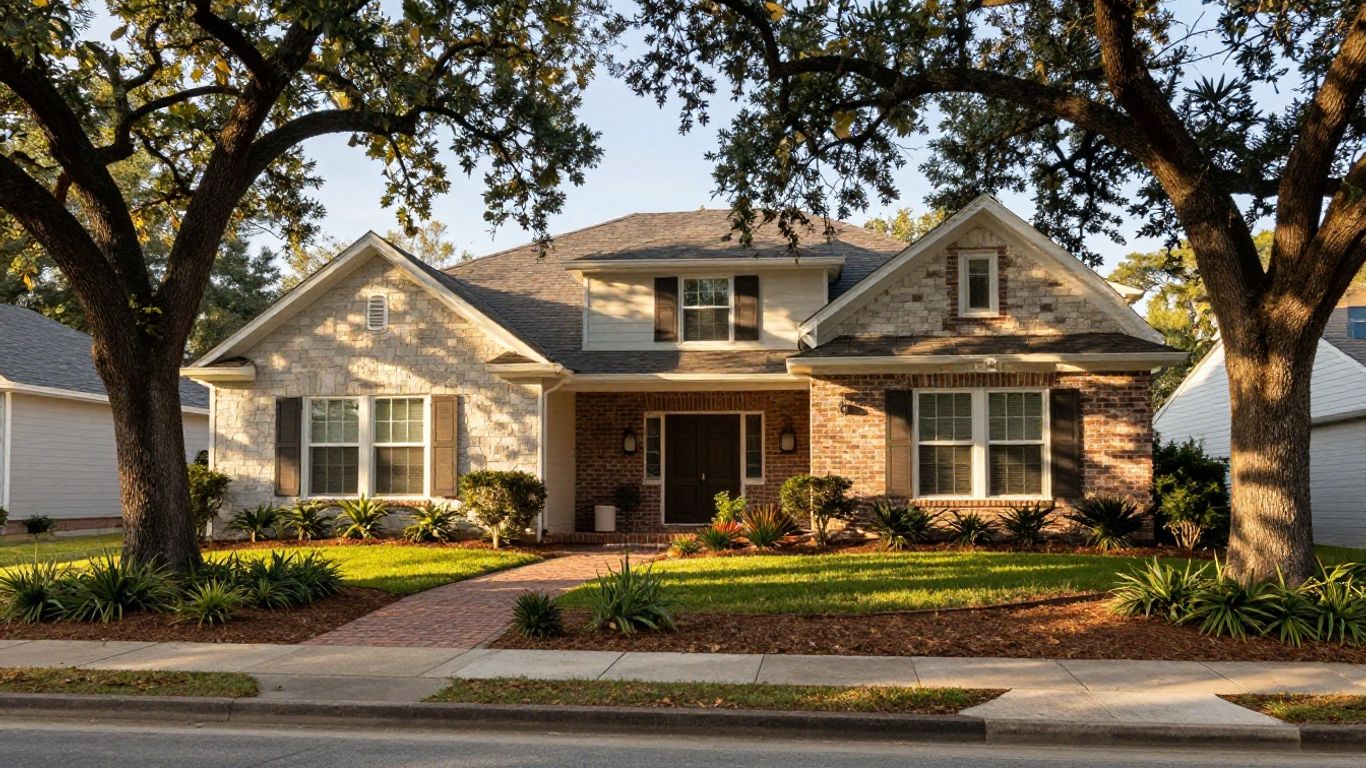
Commonly eligible property categories can include a single-family home, a two-to-four-unit property with one unit occupied by you, an FHA-compliant manufactured home, or an eligible condominium. The property must meet the applicable program standards, and condominium approval can involve additional review.
A home in Houston, Kingwood, Humble, or another nearby community is not automatically eligible simply because it is owner-occupied. Confirm the property type, construction, title, and condition early so you do not spend time and money on an application that cannot proceed.
Existing mortgages, liens, and required payoff amounts
A current mortgage usually must be paid off or otherwise resolved with the reverse mortgage proceeds. The same review applies to other liens, judgments, or title issues that could interfere with the lender’s required first-lien position.
Gather your latest mortgage statement and information about any property-related debt. Your available cash may be much lower than a headline estimate if a large existing balance must be paid at closing. A title search can also identify issues that need correction before funding.
Appraisal, repairs, and property standards
An independent appraiser evaluates the home’s value and checks whether it meets minimum property standards. Needed repairs may have to be completed before closing, completed after closing under an approved arrangement, or addressed through another condition imposed by underwriting.
Do not assume a repair is minor because it appears cosmetic. Roof problems, safety concerns, structural issues, or deferred maintenance can affect eligibility and timing. A practical inspection before application can help you budget for work and avoid surprises.
HECM and proprietary reverse mortgage options
The two broad categories you are likely to hear about are FHA-insured Home Equity Conversion Mortgages, or HECMs, and proprietary reverse mortgages offered by private lenders. They can differ in limits, insurance, underwriting, costs, and borrower protections. Comparing the categories requires more than asking which one produces the largest initial estimate.
How FHA-insured HECMs work
A HECM is insured by the Federal Housing Administration and follows federal program rules. It generally offers several ways to receive proceeds, subject to limits and the borrower’s circumstances. HECMs also include mortgage insurance designed to support the program’s structure and non-recourse framework.
The HECM limit changes over time. For 2026, the available source material identifies a limit of $1,249,125, so confirm the current figure and how it applies before relying on an estimate. Your home’s market value and the HECM limit are not the same thing; the lower applicable calculation may constrain proceeds.
When a proprietary reverse mortgage may be worth considering
A proprietary reverse mortgage may be worth examining when your home value is above the HECM calculation or when a private program’s structure fits your needs better. It is not federally insured in the same way as a HECM, and its terms vary by lender.
That variation means you should compare interest rates, draw rules, fees, repayment events, servicing practices, and protections in writing. A larger possible advance is only one part of the decision. Ask what happens under different home values, rate changes, and time horizons.
Loan limits and higher-value Houston homes
Houston includes homes across a wide range of values, from modest properties to higher-value homes in established neighborhoods. If your home is worth more than the value recognized under the HECM limit, a proprietary option may show a different borrowing range, but it may also carry different costs and protections.
Ask each lender to identify the value used, the applicable cap, the expected payoff of existing liens, and the net amount available to you. Comparing net proceeds rather than advertised maximums gives you a more useful picture.
Comparing insurance, protections, and lender-specific terms
A sound comparison puts the major differences in one place instead of relying on verbal descriptions. The following questions are useful when reviewing written estimates:
| Comparison point | HECM | Proprietary reverse mortgage |
|---|---|---|
| Federal insurance | FHA-insured | Not federally insured in the same way |
| Loan limit | Subject to a federal limit | Set by the private program |
| Terms | Governed by HECM rules | Vary by lender and product |
| Counseling | Required for a HECM application | Confirm the applicable requirements |
The table is a starting framework, not a substitute for the actual disclosures. Read the documents for the specific rate, fees, draw restrictions, repayment triggers, and treatment of a spouse or heirs before choosing a product.
Costs, interest, and available proceeds
The amount you can borrow is only one side of the calculation. Origination fees, mortgage insurance, appraisal and title charges, interest, and the payoff of an existing mortgage all affect the cash you may actually receive. Ask for an itemized estimate and consider how the balance could change over several years.

Origination fees, mortgage insurance, and closing costs
Typical upfront costs can include an origination fee, an upfront FHA mortgage insurance premium for a HECM, appraisal, title, recording, and other closing charges. Some costs may be financed into the loan, which reduces the proceeds available at closing and increases the balance.
HECMs also carry an ongoing annual mortgage insurance premium that is added to the balance rather than billed separately. Request every cost as a separate line item so you can compare estimates without overlooking a charge folded into the loan.
How interest accrues and compounds
Interest accrues daily and compounds monthly under the source material’s HECM explanation. In practical terms, interest is charged on the original balance and on interest that has already accrued. Additional draws and financed charges can also increase the amount on which interest is calculated.
Your rate structure matters. Ask whether the rate is fixed or adjustable, how often an adjustable rate can change, and how the change affects both future proceeds and the balance. A projection at several time points is more informative than a single first-year number.
Lump-sum, monthly, and line-of-credit disbursements
Your disbursement choice should match the reason you are borrowing and the uncertainty in your budget. A lump sum may be straightforward, while monthly advances or a line of credit may preserve flexibility. Each option can affect how quickly interest begins accumulating on the funds.
Consider these practical questions before selecting a payment pattern:
- How much cash do you need immediately?
- Do you expect recurring expenses or an irregular one-time cost?
- Would keeping funds undrawn reduce the balance’s early growth?
- How will the plan work if your taxes, insurance, or care costs rise?
The best structure is not necessarily the one with the largest initial distribution. Match the timing of the proceeds to your spending plan, and avoid taking more than you can explain and manage.
Prepayment flexibility and early repayment considerations
HECMs have no prepayment penalty under the source material, so you can repay part or all of the balance at any time without a prepayment fee. That flexibility may be useful if you sell another asset, receive an inheritance, or decide to sell the home earlier than expected.
Even without a penalty, early repayment can have tax, estate, and cash-flow consequences. Keep records of payments and ask qualified tax or legal professionals how repayment fits your broader plan.
Responsibilities after closing
A reverse mortgage does not remove the ordinary responsibilities of homeownership. You must preserve the property, maintain required insurance, pay property charges, and follow occupancy rules. These obligations are central to keeping the loan in good standing.
Property taxes, homeowners insurance, and HOA dues
You remain responsible for property taxes, homeowners insurance, and applicable HOA dues. These expenses are not replaced by the absence of a required monthly mortgage payment. Before closing, build them into a realistic annual budget and identify how they will be paid.
If your income is tight, ask whether a set-aside or another permitted arrangement may apply. Do not wait until a bill is overdue. A missed tax or insurance obligation can create a serious loan problem.
Home maintenance and required repairs
You must keep the home in reasonable condition and complete required repairs. Maintenance includes ordinary work as well as addressing conditions that could damage the property or create safety concerns.
Set aside funds for predictable expenses such as roof work, plumbing, heating and cooling, drainage, and exterior upkeep. A reverse mortgage can provide cash, but it does not guarantee that future repair costs will be covered.
Primary-residence and extended-absence rules
The home generally must remain your principal residence. A permanent move can make the loan due, and moving to assisted living for more than 12 consecutive months may also trigger repayment under the source material.
Temporary travel or medical stays should be discussed before they become extended absences. Keep the lender informed and review the occupancy certification requirements so a change in circumstances does not become a preventable default.
What can happen after missed obligations
Failure to pay property charges, maintain insurance, or keep the home in required condition can lead to a notice of default and eventually make the loan due. The consequences depend on the missed obligation, the cure period, and the loan documents.
If you receive a notice, respond quickly and ask what documentation or payment will resolve the issue. Ignoring correspondence can narrow your options. Family members or a trusted adviser should know where the loan documents and servicing information are kept.
The reverse mortgage process in Houston
The process usually moves from education and counseling to document collection, appraisal, underwriting, closing, and funding. Timelines vary with the property, title, repairs, lender, and how quickly requested information is returned. Starting with organized records can make the experience less stressful.
Completing independent HUD-approved counseling
Independent HUD-approved counseling is required for every HECM application. The counselor is separate from the lender and should explain the loan, alternatives, costs, obligations, and possible effects on your household and heirs.
Prepare questions before the session. The reverse mortgage planning guide can help you think through ownership, equity, aging in place, and the difference between a HECM and other options. Counseling is educational, not a sales appointment, so use it to test whether the strategy fits your situation.
Preparing financial and property documents
At a minimum, you may need documents verifying your date of birth, income, Social Security number, homeowners insurance, and mortgage statement. The lender may request additional information and perform a title check for liens or other issues.
For a smoother review, gather:
- Government identification and birth-date documentation.
- Recent mortgage, tax, insurance, and HOA records.
- Income, benefit, bank, and asset statements.
- Trust, divorce, probate, or title documents when relevant.
Organizing these records does not guarantee approval, but it helps expose questions early. It also gives you a clearer basis for checking whether the proposed proceeds and obligations are realistic.
Completing the application, appraisal, and underwriting
After the application, an independent third-party appraiser evaluates the property’s value and condition. Underwriting then reviews the paperwork, property, title, financial assessment, and any required conditions. The result may be an approval, an approval with conditions, or a denial for a stated reason.
Kingwood Mortgage Guys provides mortgage guidance for Houston-area borrowers, and a conversation with a knowledgeable broker can help you understand what information the lender is requesting. Still, the lender’s disclosures and the independent counseling session should remain your primary sources for the specific loan terms.
Reviewing closing documents and receiving funds
At closing, you and a notary review and sign the reverse mortgage documents. Check the loan amount, fees, interest rate, repayment conditions, and disbursement plan against what you previously discussed. Ask about anything that differs before signing.
After signed documents are received and final conditions are met, the source material describes a three-business-day waiting period before funds may be distributed. Existing mortgages or liens are then paid from the proceeds, followed by any remaining disbursement selected under the loan terms.
Alternatives and long-term planning
A reverse mortgage is one tool, not an automatic answer to a retirement-income gap. Your best choice depends on whether you need to remain in the home, how much cash you need, your tolerance for debt growth, and what you want to leave to heirs. Compare the alternatives using the same time horizon and realistic costs.
Comparing a reverse mortgage with a HELOC
A HELOC may have lower upfront costs and requires monthly payments, while a reverse mortgage generally has higher upfront costs and no required monthly principal-and-interest payment. A HELOC can also be frozen or reduced by the lender; a reverse mortgage line of credit has its own terms and obligations.
Review your ability to make payments during a market downturn or health event. If you choose a HELOC, ask how the lender can change availability and how the payment may rise. If you choose a reverse mortgage, ask how draws and interest affect future equity.
Evaluating a home equity loan or refinancing
A home equity loan provides a defined amount and usually requires scheduled monthly repayment. Refinancing may change your rate, term, payment, or access to cash, but it can also reset the repayment schedule and add closing costs.
Kingwood Mortgage Guys offers refinance guidance for Texas homeowners, including help evaluating whether a proposed refinance creates a genuine benefit. Compare the total interest, fees, payment, break-even period, and effect on your retirement cash flow rather than focusing only on the new monthly payment.
Weighing downsizing or selling the home
Selling or downsizing can release equity without adding a new loan balance. It may also reduce maintenance, taxes, insurance, or utility costs. The tradeoff is moving expense, disruption, and leaving a home or neighborhood that may be central to your daily life.
Estimate the net proceeds after selling costs, the cost of the replacement home, moving expenses, and any needed repairs. Then compare that amount with the net proceeds and long-term obligations of remaining in place.
Considering a HECM for Purchase when relocating
If you plan to move, a HECM for Purchase may allow you to buy another home using a portion of your cash rather than taking on a traditional monthly mortgage payment. It has its own eligibility, down-payment, property, and occupancy requirements.
Consider the move as a complete budget. Include the sale of your current home, cash needed at purchase, property taxes, insurance, maintenance, and the possibility that your new home may cost more to operate than your current one.
Planning for a spouse, heirs, or future assisted living needs
Discuss the plan with anyone whose housing or inheritance could be affected. A spouse’s borrower status, the title, the treatment of heirs, and the timing of repayment after a move or death should be understood before closing.
Kingwood Mortgage Guys encourages borrowers to begin with a personalized conversation about the household’s goals rather than a one-size-fits-all estimate. If assisted living may be part of your future, model how long-term care costs, an extended absence, or a permanent move could change the loan’s status and your family’s choices.
Conclusion
A reverse mortgage can provide useful access to home equity, but it works best when you understand the growing balance, ongoing property obligations, program limits, and alternatives. Take the loan estimate to independent counseling, compare the long-term numbers, and choose only a structure that fits both your present cash needs and your future plans.
Frequently Asked Questions
Do you still own your home with a reverse mortgage?
Yes. You generally retain title and ownership, but the home secures the loan and you must meet the loan’s occupancy, maintenance, tax, and insurance requirements.
How old must you be for a HECM?
The youngest borrower generally must be at least 62 for an FHA-insured HECM. Other qualifications, including occupancy and financial responsibilities, also apply.
Does a reverse mortgage require monthly payments?
A reverse mortgage does not generally require monthly principal-and-interest payments, but you remain responsible for property taxes, insurance, maintenance, HOA dues, and other required costs.
Can heirs keep the home?
Heirs may be able to keep the home by addressing the loan balance under the loan’s terms, or they may sell it. They should communicate with the servicer promptly after a borrower dies.
What makes the loan balance grow?
The balance can grow through interest, financed fees, mortgage insurance charges, and additional draws. Interest may accrue and compound even when you are not taking new funds.
Can you repay a reverse mortgage early?
HECMs have no prepayment penalty under the source material, so you can repay part or all of the balance early without a prepayment fee. Other financial or tax consequences may still need review.
Is independent counseling required?
Yes, independent HUD-approved counseling is required for a HECM application. The counselor can explain the loan, alternatives, costs, and obligations without serving as the lender.