Mortgage Help in New Caney, TX for Buyers Who Want to Buy Smarter
Buying a home in New Caney, TX is often about creating more breathing room, in your budget, in your lifestyle, and in the kind of future you are building. Some buyers are drawn to the area because they want better value for what they spend. Others are looking for more land, a quieter pace of daily life, or a location that still feels like it has room to grow. Whatever the reason, New Caney tends to attract buyers who are thinking carefully about what homeownership should actually feel like once the excitement of moving in has settled into everyday routine.
That is a meaningful distinction. It means the buyers who end up in New Caney are often not chasing the biggest house they can qualify for.
They are looking for a home that fits the life they are actually trying to live, one that supports their financial goals, their family's needs, and a sense of stability that lasts well beyond closing day.
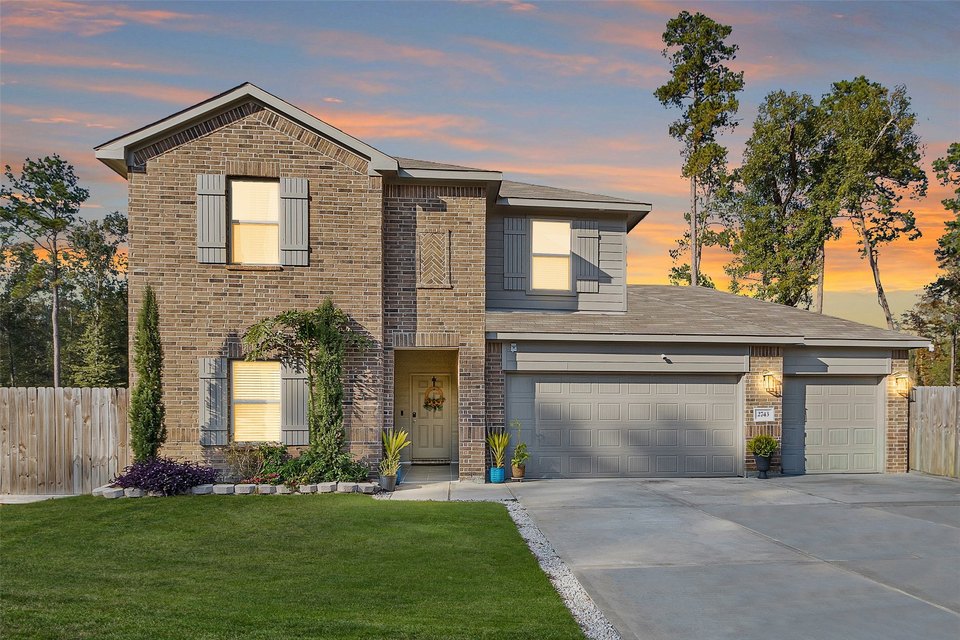
That is exactly why mortgage planning in New Caney should go further than simply calculating what you qualify for on paper. The right mortgage guidance should help you think through the full picture: what your payment actually looks like each month, how that fits alongside your other financial priorities, and whether the home you are considering will still feel like the right decision a year or two from now, not just on the day you sign.
Take the next step with confidence. Connect with Mike Durr today for mortgage guidance tailored to your goals and the move you're planning.
Why Buyers Choose New Caney
New Caney often resonates with buyers who feel like the more densely developed suburbs closer to Houston no longer fit what they are looking for. The area offers a different kind of value, one that is harder to quantify but easy to feel once you start spending time there.
Buyers are commonly drawn to New Caney for reasons that go beyond square footage or list price:
More space for the budget.
Compared to communities closer to the city core, New Caney often allows buyers to get significantly more for their money, whether that means more square footage, a larger lot, or a newer build without stretching the budget to its limit.
A quieter, more grounded pace of life.
For buyers who have grown tired of congestion, noise, or the general friction of denser neighborhoods, New Caney can feel like a genuine change of pace rather than just a change of address.
Room for the future.
Families who expect their needs to shift, whether through a growing household, a desire for more outdoor space, or plans that simply need more room to unfold, often find New Caney gives them that flexibility without forcing them into a home that already feels too small.
An area with real growth potential.
New Caney is not a stagnant market. Infrastructure investment, retail development, and population growth in the surrounding region have made it an area worth paying attention to for buyers who care about long-term value.
A home that does not feel boxed in.
There is something intangible about a property that has breathing room around it. For buyers who have toured homes in tighter suburban corridors and felt like something was missing, New Caney often delivers a different feeling, one that is harder to put into words but easy to recognize when you find it.
For buyers who want homeownership to feel sustainable rather than stretched, New Caney frequently turns out to be a more natural fit than the options they were originally considering.
What Makes Buying in New Caney Feel Different
A home purchase is never only about the structure. It is also about the kind of life that home makes possible, the daily rhythms, the commute, the community, the sense of whether you made the right call.
Buyers who are seriously evaluating New Caney tend to ask themselves a particular set of questions that go beyond the listing details:
Do I want more land, more space, or simply a slower pace, and does this property deliver that?
It is easy to assume these things are interchangeable. They are not. Some buyers need physical square footage. Others need psychological space, a sense of openness that comes from a less congested environment. Knowing which one matters more to you helps narrow the search significantly.
Does this area feel like somewhere I can genuinely grow into?
Not just in terms of resale value, but in terms of daily life. Does the community feel like a place where your family can put down roots and feel settled, or does it still feel like a stepping stone?
Is this home still affordable once the full payment is calculated?
The list price is one number. The actual monthly payment, inclusive of principal, interest, taxes, insurance, and any applicable association fees, is the number that matters. Buyers who focus only on the purchase price often find themselves surprised after closing. The goal is to go in fully clear-eyed.
Am I buying based on what fits my life, or based on outside pressure?
Market conditions, family expectations, and the general sense that you should already be a homeowner by now can all push buyers toward decisions that feel reactive rather than intentional. The buyers who tend to feel most satisfied with their purchase are the ones who slowed down enough to make sure the decision was genuinely theirs.
These questions are not obstacles to buying. They are what makes the difference between a purchase that feels right and one that creates quiet stress for years afterward.
What Buyers Often Look at Around New Caney
Evaluating a home in New Caney means looking beyond the four walls of the property itself. The surrounding area is a significant part of the value, and buyers who pay attention to the broader picture tend to make more confident decisions.
Common factors buyers weigh when comparing New Caney to nearby communities include:
Schools and communities fit.
For families with children or those planning ahead, school district quality and community character are often among the first filters applied.
New Caney ISD serves the area, and buyers are encouraged to research specific campuses, programs, and recent developments within the district to assess fit for their household.

Access to outdoor space and everyday conveniences.
The Lake Houston Wilderness Park, proximity to the San Jacinto River, and other natural areas give New Caney a character that is genuinely different from more urbanized suburbs.
At the same time, retail, dining, and everyday services have expanded considerably in recent years, reducing the trade-off that buyers in the area once had to accept between nature access and practical convenience.

How much the area offers without feeling crowded.
One of the consistent draws of New Caney is that it provides access to amenities without the congestion that often accompanies them.
Buyers who have spent years in high-density suburbs frequently describe this as one of the most underrated aspects of the move.

Healthcare and practical services.
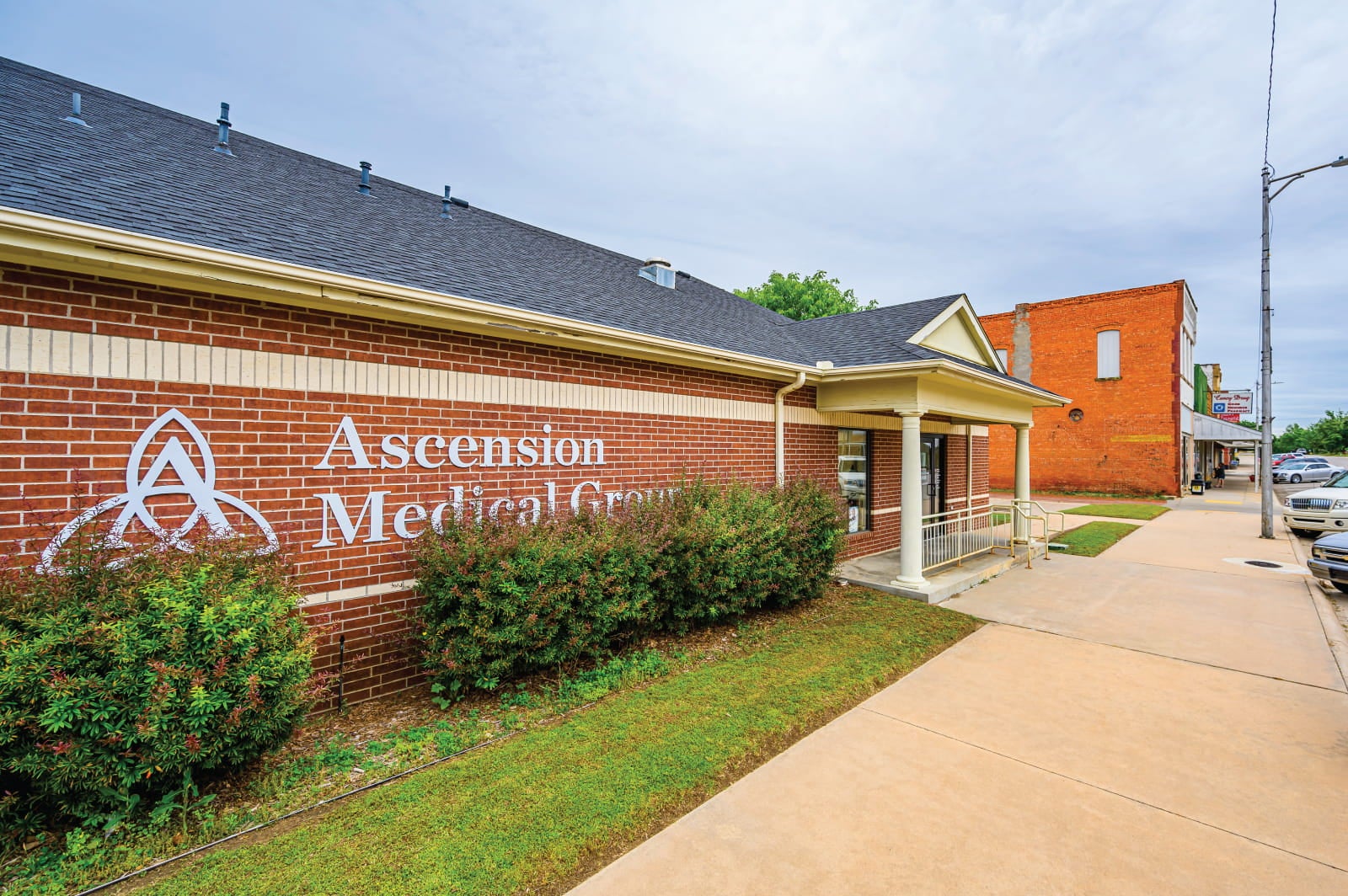
Proximity to healthcare facilities matters, and the growth of medical infrastructure in the greater northeast Houston corridor has made New Caney a more viable option for households that previously ruled it out for that reason.
Whether the location feels like a long-term lifestyle fit.
This is ultimately the question that matters most. A home in the right location for the wrong lifestyle will create friction at every turn.
Buyers who spend time in New Caney, not just touring properties but getting a feel for traffic patterns, weekend activity, and the general texture of daily life, tend to make decisions they feel much more settled about.
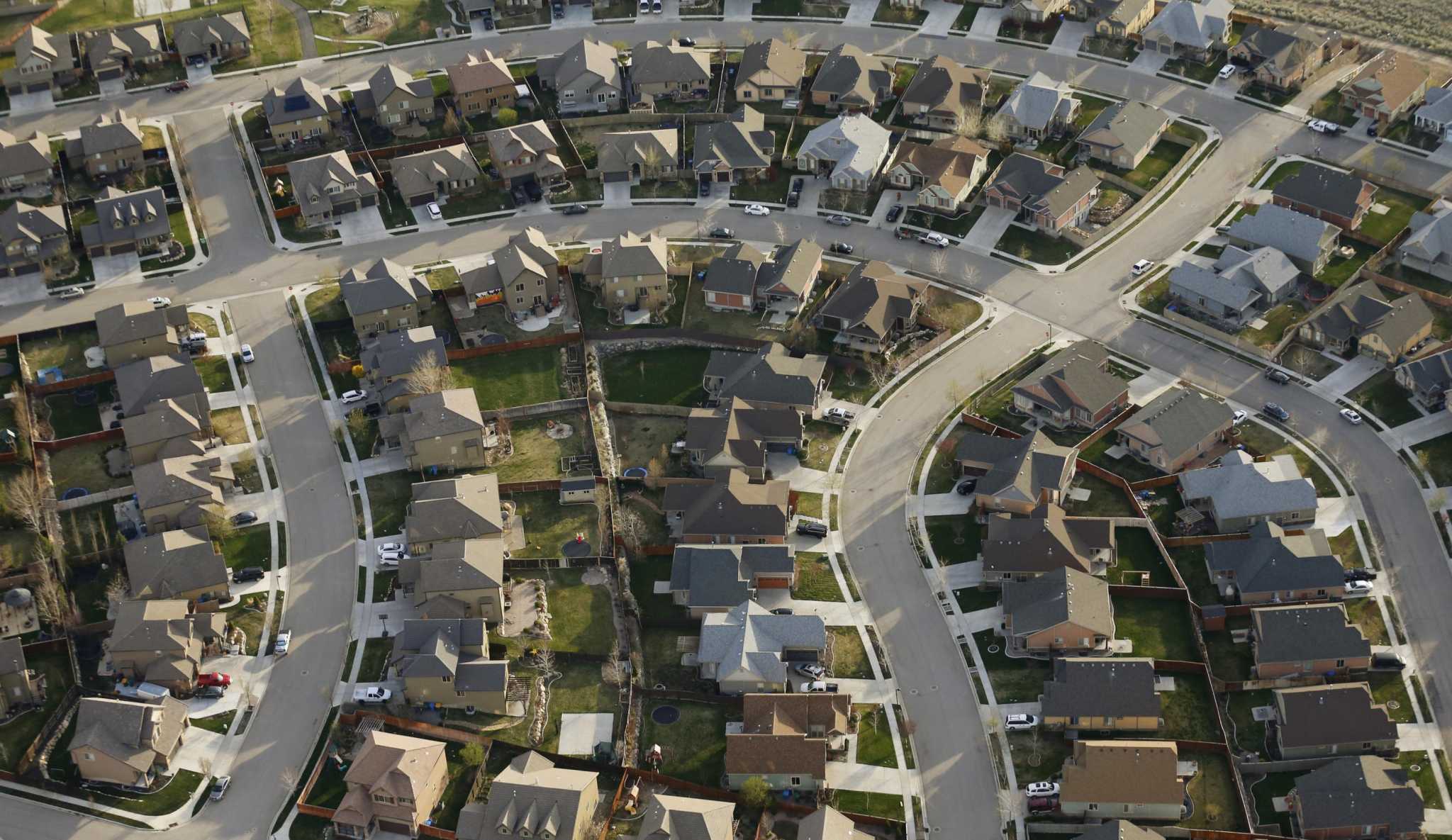
These details matter because a home should continue to feel right long after the paperwork is done and normal life begins.
Loan Options New Caney Buyers Often Review
The best mortgage is not the one that gets you to closing. It is the one that supports your financial life after closing, allowing you to feel stable, maintain other goals, and build equity without feeling like the home is consuming everything else.
Buyers in New Caney commonly explore a range of financing options depending on their financial profile, service history, and eligibility:
Conventional financing is often a fit for buyers with strong credit profiles, established employment history, and a solid down payment ready to go. Conventional loans can offer competitive rates and flexibility in property types, making them a strong starting point for buyers who qualify.Bullet List 2
FHA financing is frequently explored by buyers who need more flexibility, whether that means a lower down payment, a less conventional credit history, or a profile that does not fit neatly into the conventional box. FHA loans are government-backed and designed to make homeownership more accessible, though they do carry mortgage insurance requirements that are worth understanding upfront.
VA financing is available to eligible veterans, active-duty service members, and qualifying surviving spouses. VA loans are among the most favorable financing options available, often requiring no down payment, no private mortgage insurance, and offering competitive interest rates. For eligible households, it is almost always worth exploring VA options before assuming conventional financing is the better path.
Down payment assistance and buyer support programs exist at various levels, state, county, and occasionally local, and may be worth reviewing for buyers who qualify. These programs can reduce the upfront cost of homeownership and make the transition more financially manageable, particularly for first-time buyers.
Understanding which option genuinely fits your situation, rather than simply choosing the most familiar one, is one of the most important conversations to have before you get too deep into the home search. The loan structure affects your monthly payment, your flexibility, and how the purchase fits into your broader financial picture.
Talk to Mike Durr About Buying a Home in New Caney, TX
If New Caney feels like the right direction, the next step is making sure the financing fits just as well as the neighborhood does.
Mike Durr works with buyers who want to approach the process with clarity, understanding their real numbers, their actual options, and what the decision will feel like beyond the closing table.
Reaching out to Mike is a good fit if you want help with:
Getting genuinely clear on your budget, not just the maximum you qualify for, but the number that allows you to own comfortably without sacrificing everything else
Reviewing loan options that match your goals, across conventional, FHA, VA, and assistance programs, so you can make an informed choice rather than defaulting to what everyone else seems to use
Understanding your true monthly payment, taxes, insurance, and all the details that tend to get overlooked until after the offer is accepted
Moving through the process with confidence, so that when you find the right home, you are ready to act without second-guessing whether the financing side is handled
Buying smarter is not about hesitating. It is about being prepared enough that when the right home comes along, you know exactly what you are doing and why.