Mortgage Help in Porter, TX for Buyers Who Want to Buy Smarter
Buying a home in Porter, TX is often about recognizing opportunity before it becomes obvious to everyone else. Porter sits in a part of northeast Houston that is actively changing, and for buyers who are paying attention, that creates a window that does not stay open indefinitely.
Many buyers come to Porter because they want more room, more flexibility, and a location that still has genuine growth happening around it. They are not necessarily looking for the most polished suburb or the most established neighborhood. They are looking for a place where the value is real, the space is there, and the trajectory of the area is pointed in the right direction.
For the right buyer, Porter can strike a balance that is increasingly hard to find in the greater Houston market, a location that keeps you connected to major routes and expanding corridors without pulling you into the pricing or density of more built-up areas.
That balance does not happen by accident, and it does not last forever. Buyers who find it and act on it with a clear financial plan tend to feel much better about their decision over time.
That is why a mortgage decision in Porter should be based on more than just what you qualify for today.
It should also reflect where your life is heading, what your finances will look like a few years from now, and whether the home you are considering will continue to feel like the right call once the initial excitement has passed and normal life has taken over.
Take the next step with confidence. Connect with Mike Durr today for mortgage guidance tailored to your goals and the move you're planning.
Why Buyers Are Considering Porter
Porter tends to attract buyers who are thinking one step ahead, people who are evaluating not just what an area is today, but what it is likely to become. That forward-looking mindset is part of what draws a particular kind of buyer to this part of northeast Houston.
The reasons buyers gravitate toward Porter are varied, but several themes come up consistently:
More home for the budget.
Porter regularly offers buyers more square footage, more lot size, and more overall value per dollar than comparable properties in more centrally located or more developed suburbs. For buyers who have been looking in higher-priced corridors and feeling consistently outpriced or underwhelmed, Porter often resets expectations in a meaningful way.
A growing area with real momentum.
Porter is not a finished market. Development is continuing, infrastructure is expanding, and the population base in the surrounding region is growing steadily. For buyers who want to own in an area that still has upward movement rather than one that has already plateaued, that trajectory matters.
Access to major roads and regional connectivity.
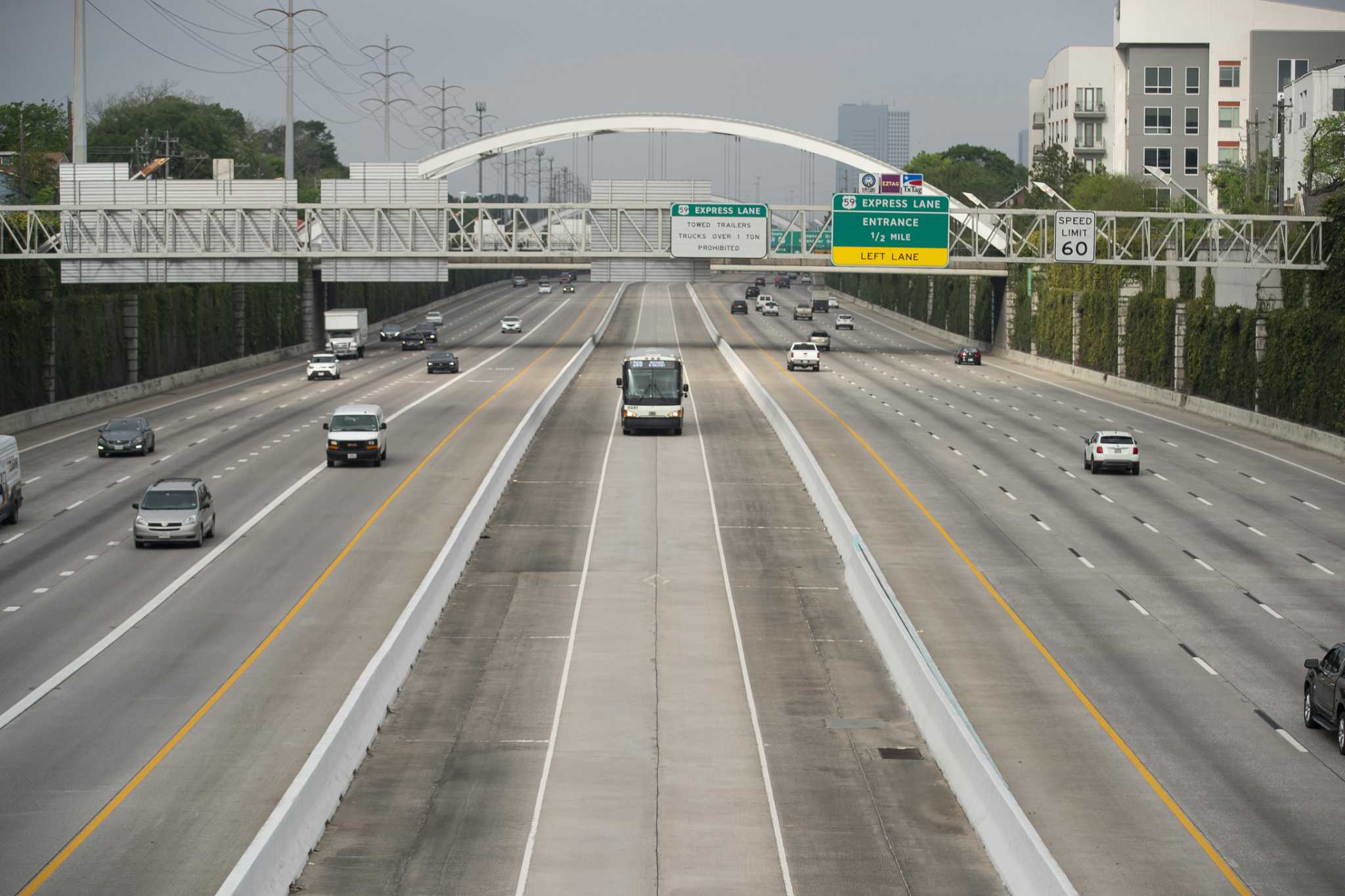
US-59 and the broader northeast Houston road network give Porter residents access to employment centers, retail corridors, and daily necessities without requiring the kind of extended commute that more rural areas often demand. That connectivity is a significant part of the practical case for buying here.
Room for future family or lifestyle changes.
Buyers who are planning ahead, for a growing family, a home office, a need for more outdoor space, or simply a lifestyle that requires more flexibility than a smaller home allows, find that Porter frequently offers properties that can accommodate those changes without requiring a move.
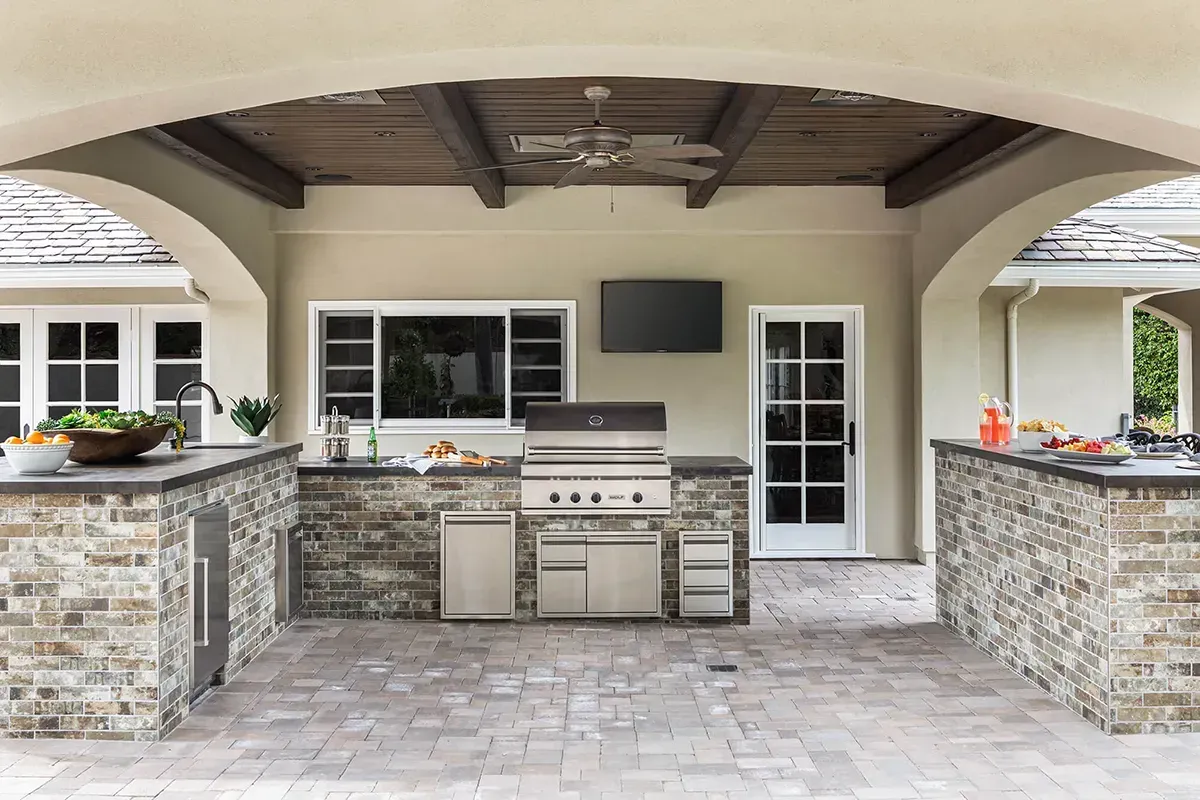
Less density than more built-up suburbs.
For buyers who have spent time in tighter, more congested suburban neighborhoods and found that the trade-off between convenience and space no longer feels worth it, Porter offers a different experience. Properties tend to have more room between them, and the pace of daily life reflects that.
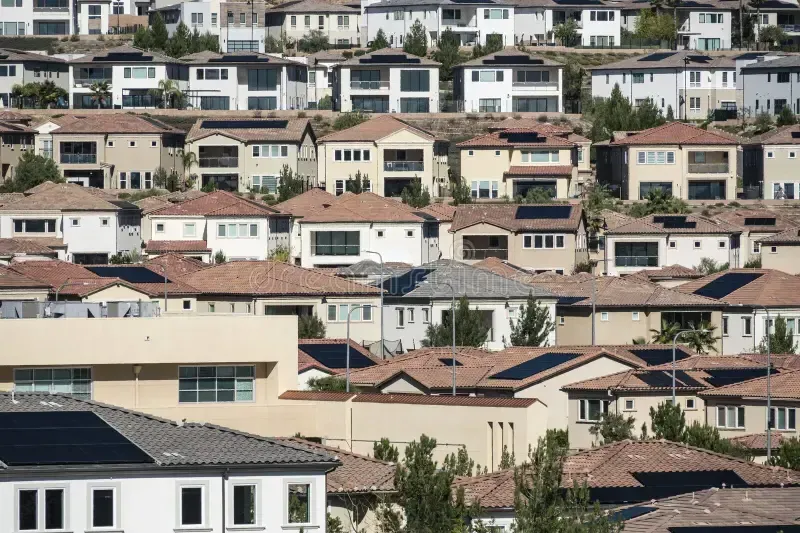
For some buyers, Porter is a practical decision, the area where the budget works and the space is there. For others, it feels more strategic, a chance to buy into a location before it becomes more expensive and more competitive. Often, it is both at the same time.
Questions Worth Asking Before You Buy
One of the most valuable things a buyer can do before getting too far into the process is slow down long enough to ask honest questions, not about the listing, but about the decision itself.
Porter is the kind of area where those questions matter. The properties can look compelling on paper, and the pricing can make a purchase feel almost too easy. But a home purchase is a long-term commitment, and clarity upfront saves a significant amount of stress later.
Some of the most useful questions Porter buyers can ask themselves before moving forward:
Am I buying here because of price alone, or because this area genuinely fits my goals?
Price is a legitimate factor, it always is. But buyers who choose a location primarily because it is affordable, without asking whether the area fits their life, often find that the financial savings come with trade-offs they were not fully prepared for. The right question is whether Porter makes sense for your goals, your routine, and your long-term plans, not just your budget.
Do I want more space now, even if it means being slightly farther from the city core?
Distance from the urban center is real, and the right answer varies completely by buyer. For some households, the extra drive time is a non-issue, worth every minute in exchange for the space and value they are getting. For others, it becomes a daily friction that quietly erodes satisfaction over time. Being honest about which category you fall into before you buy is far better than discovering the answer afterward.
Does this location work for my commute and daily routine?
This question deserves a real answer, not a hopeful one. Where do you work, and how often do you go in? Where do your kids go to school? Where do you run most of your errands? Mapping those answers against a specific property in Porter, not just the general area, gives you a much clearer picture of what daily life will actually look like.
What will the payment feel like once taxes, insurance, and all the costs are included?
The number that matters is not the purchase price. It is not even the estimated mortgage payment from a quick online calculator. It is the full monthly obligation, principal, interest, property taxes, homeowners insurance, and any applicable fees, calculated accurately and held up against your actual income and existing financial commitments. That number tells you whether the home is genuinely affordable or just technically within reach.
These questions do not exist to talk buyers out of purchasing. They exist to make sure that when buyers move forward, they are doing so with their eyes open, and that the decision holds up well past the day they get the keys.
What Buyers Often Look for in the Area
A mortgage does not exist in isolation. It is connected to everything around the property, the roads you drive, the schools your children attend, the time it takes to get to a doctor's appointment or pick up groceries on the way home from work. Buyers who evaluate Porter seriously tend to look at those factors with the same attention they give to the home itself.
Common priorities that come up when buyers are evaluating Porter and the surrounding area:
Schools and educational options.
New Caney ISD serves much of the Porter area, and understanding the specific campuses, programs, and performance data associated with a given property is important for families with children or those planning ahead.
Buyers are encouraged to research individual campuses rather than relying solely on district-level information, as quality and character can vary meaningfully within a district.
Medical and urgent care access.
Healthcare proximity is one of those factors that buyers tend not to think about until they need it.
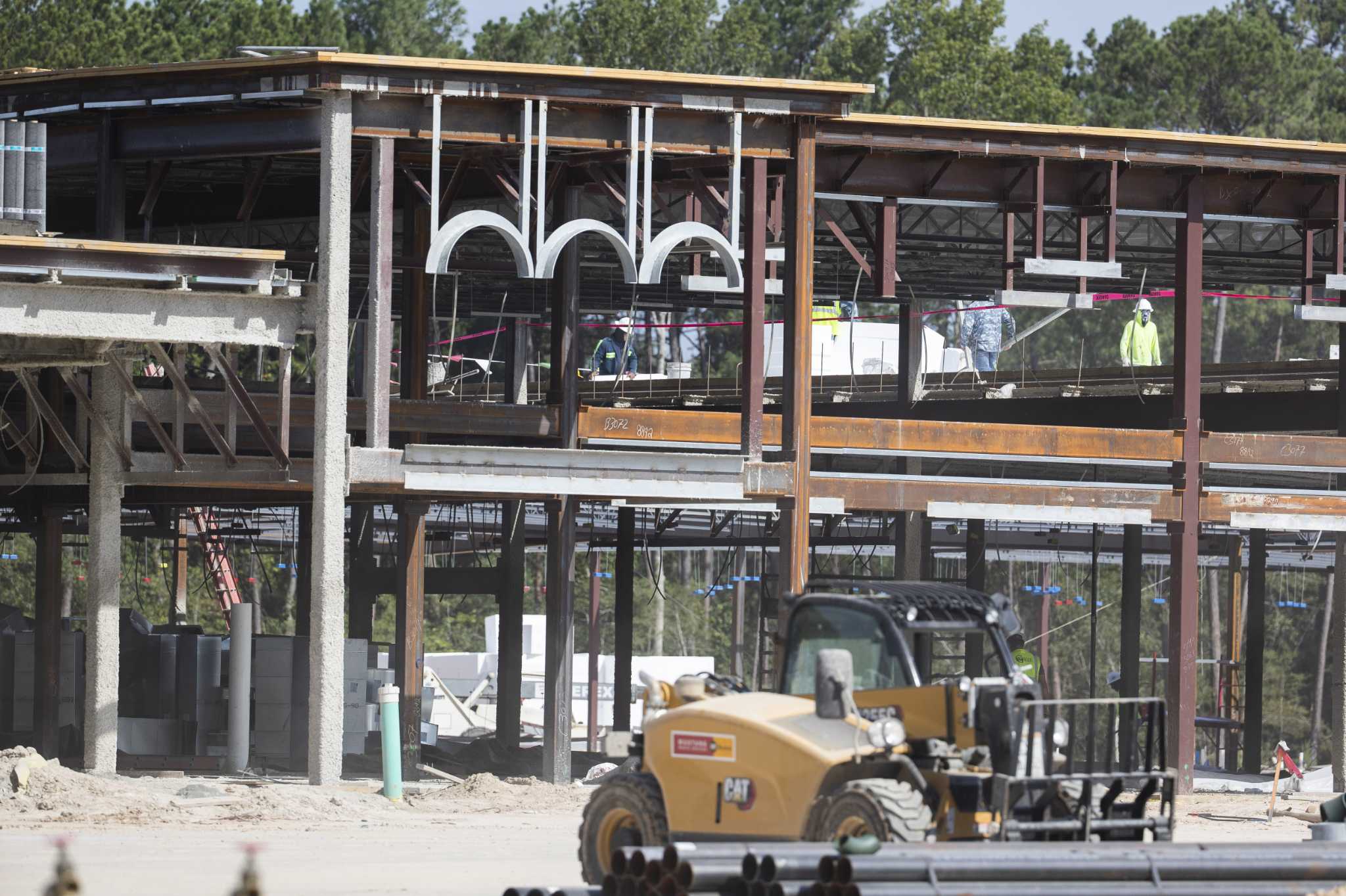
The expansion of medical facilities in the northeast Houston corridor has improved the situation for Porter residents considerably, but buyers should still verify what is accessible and within a reasonable distance for routine and urgent needs.
Shopping, services, and everyday essentials.
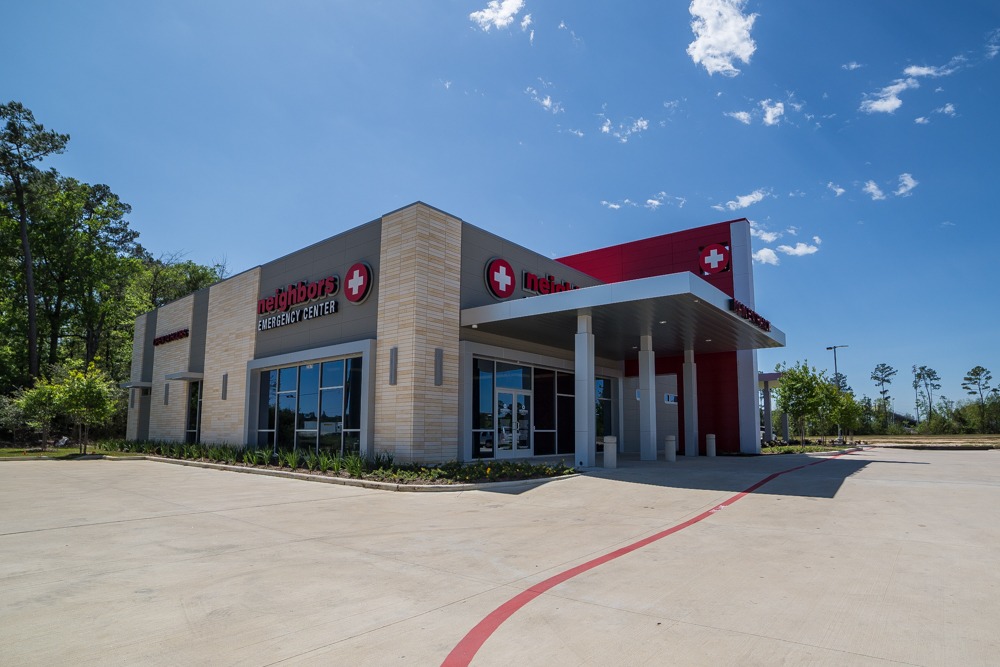
The retail landscape around Porter has grown as the population has increased.
Grocery options, restaurants, and general retail are more accessible than they were even five years ago, but buyers coming from more established suburban areas should spend time in the area on a typical weekday and weekend to calibrate their expectations against their actual lifestyle.

Road access and commute patterns.
US-59 is the primary artery, and its accessibility is a major part of the practical case for Porter.
That said, peak-hour traffic patterns are worth experiencing firsthand before committing to a property.
Driving the actual commute route at the actual time you would be doing it, not just looking at a map, is one of the most useful things a serious buyer can do.

The growth happening around the area.
New commercial development, infrastructure projects, and population growth in the broader northeast Houston region all factor into how Porter is likely to evolve.
Buyers who pay attention to these trends, not just the current state of the area, tend to make decisions with greater confidence about the long-term picture.
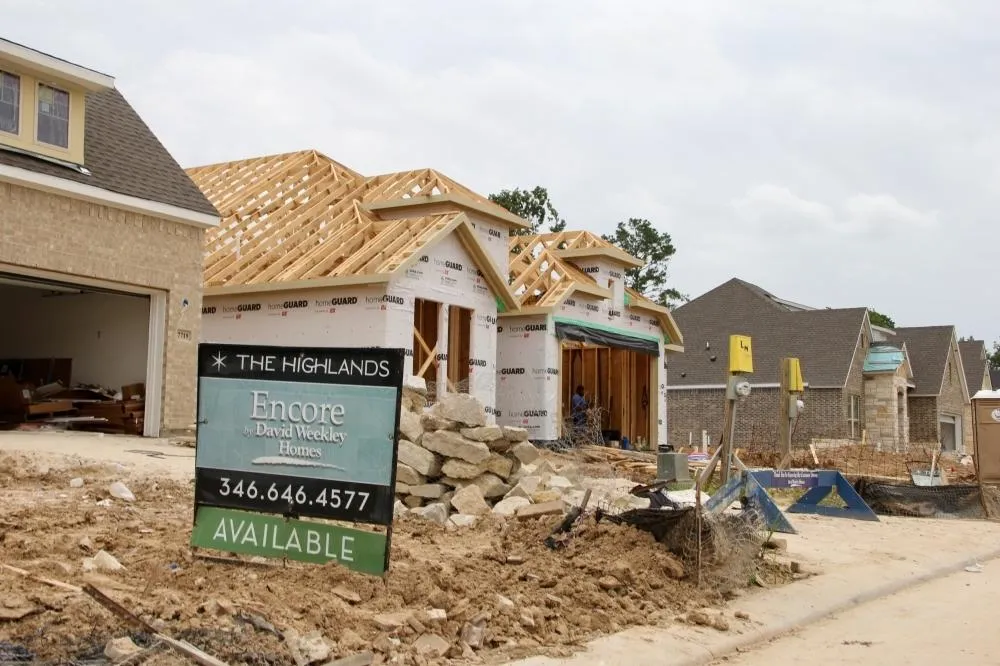
The reason all of this matters is straightforward: people do not experience a mortgage payment in a vacuum. They experience it through traffic on Tuesday morning, through the school pickup line on Thursday afternoon, through the drive to the nearest urgent care on a Sunday. A home that fits the property checklist but creates daily friction in real life will start to feel wrong in ways that are hard to articulate but impossible to ignore.
Loan Options Porter Buyers Commonly Compare
The right mortgage is not simply the one that gets you approved. It is the one that fits your financial situation accurately, supports your goals after closing, and does not quietly create pressure that builds over time.
Buyers in Porter come from a range of financial backgrounds and circumstances, and the options available reflect that range:
Conventional financing is typically the right starting point for buyers with strong credit profiles, stable and documentable income, and a down payment ready to deploy. Conventional loans often offer competitive rates and flexible structuring, and for buyers who qualify comfortably, they tend to provide a clean, straightforward path to closing.
FHA financing is worth exploring for buyers whose financial profile does not fit neatly into the conventional framework, whether that means a lower down payment, a credit history that has some complexity to it, or income that is real but harder to document in a conventional format. FHA loans are government-backed and designed to make homeownership genuinely accessible, though buyers should go into the process understanding how mortgage insurance premiums factor into the long-term cost picture.
VA financing is available to eligible veterans, active-duty service members, and qualifying surviving spouses, and it is consistently one of the most favorable financing structures available anywhere in the market. No down payment requirement, no private mortgage insurance, and competitive rates make VA loans worth examining carefully for any eligible household, even if conventional financing seems like the obvious default.
Down payment assistance programs exist at multiple levels, state programs through TDHCA, county-level options, and occasionally lender-specific assistance for qualified buyers. For buyers who are working with limited cash reserves or who want to preserve liquidity after closing, these programs can meaningfully change the math on whether a purchase makes sense right now. Eligibility varies, and not every program applies to every buyer or every property, but it is always worth having the conversation before assuming it is not relevant.
Choosing the right loan structure is not a minor decision. It shapes your monthly payment, your flexibility after closing, and how the purchase fits into the rest of your financial life. Getting that part right, not just fast, is one of the most important things you can do before you start putting in offers.
Talk to Mike Durr About Buying a Home in Porter, TX
If Porter feels like it is pointing in the right direction, the next step is making sure the financing is just as solid as the opportunity.
Mike Durr works with buyers who want to approach the process clearly, with real numbers, a genuine understanding of their options, and a plan that holds up once the excitement of the search gives way to the reality of monthly payments and long-term ownership.
Reaching out to Mike makes sense if you want to:
Understand your actual buying power, not the ceiling of what you technically qualify for, but the number that lets you own comfortably without straining everything else in your financial life
Compare loan options in a way that is specific to your situation, across conventional, FHA, VA, and available assistance programs, so the choice you make is informed rather than assumed
Get a clear and complete monthly payment estimate, taxes, insurance, and everything that tends to get added in later, calculated upfront so there are no surprises at closing
Build confidence in the decision before you make it, so that when the right property comes along in Porter, you are already prepared and can move with clarity rather than hesitation